If you have started noticing this question online or in the news, you are not imagining a new trend. Concern about PFAS in tap water has grown quickly in the last few years, and for good reason. Understanding what PFAS actually is, and why regulation has not fully caught up with it yet, is the first step in knowing whether it is something worth paying attention to in your own home.
What PFAS Actually Is
PFAS stands for per- and polyfluoroalkyl substances, a large group of synthetic chemicals that have been used since the 1940s in things like non-stick cookware, waterproof fabrics, firefighting foam, and food packaging. They earned the nickname forever chemicals because of how slowly they break down, both in the environment and in the human body. Over decades of use, PFAS have made their way into soil and water systems in many parts of the country, including drinking water supplies.
Why Regulation Has Not Fully Caught Up
Municipal water systems are required to meet safety standards, and most people reasonably assume that if their tap water passes regulation, it must be free of anything concerning. The reality is more complicated. Regulatory standards take time to develop, and PFAS research has moved faster than the rulemaking process meant to address it. Enforceable limits for a handful of specific PFAS compounds have only recently been established, and thousands of related PFAS chemicals still exist without formal regulation at all.
This gap does not mean tap water is automatically unsafe. It means the assumption that regulated water has already accounted for every possible contaminant is not entirely accurate, particularly for a class of chemicals this new to regulatory attention.
Why This Has Become a Bigger Concern Recently
National surveys have shown a sharp rise in public concern over PFAS specifically, more than any other water contaminant tracked in recent years. Part of this comes from increased media coverage, part comes from expanding scientific research, and part comes from the simple fact that testing methods have improved enough to detect PFAS in far more water systems than were previously known to contain it.

What the EPA Says About Home Filters
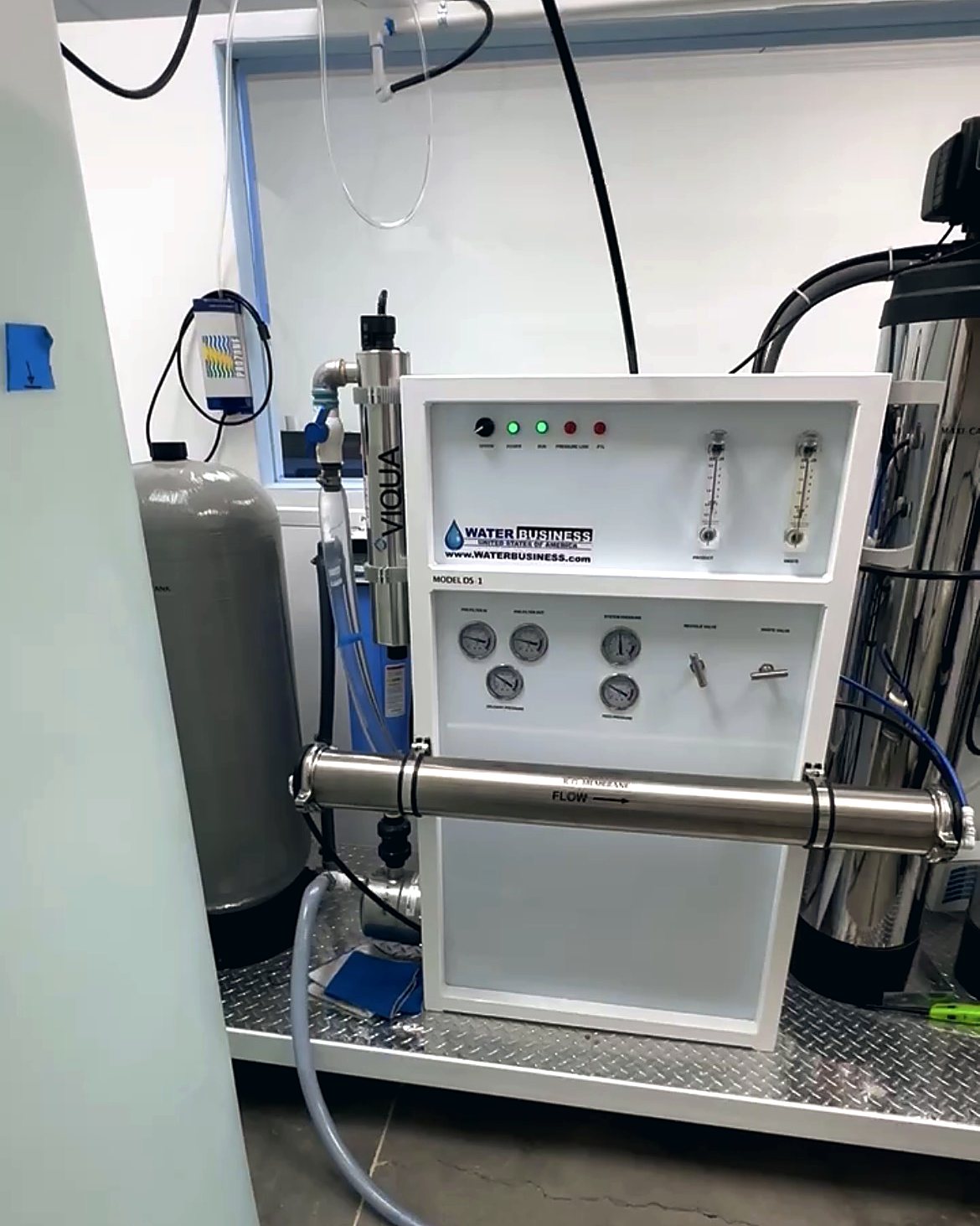
Not all filtration methods address PFAS the same way. The U.S. Environmental Protection Agency's guide to reducing PFAS with a home filter names reverse osmosis and activated carbon as filter types that can reduce PFAS, and it recommends choosing a filter that is independently certified for PFAS reduction rather than relying on general marketing claims.
This is genuinely a case where not every filter or filtration claim is equal, and the right answer depends on what is actually in your water in the first place.
The Assumption Worth Questioning
Most people go about their day assuming that because their water comes from a regulated municipal supply, it has effectively been handled. That assumption made sense for a long time, and for most known contaminants, it still largely holds. PFAS is one of the newer exceptions, a case where public awareness is currently ahead of where formal regulation has managed to catch up. That gap is exactly why more people are starting to ask this question in the first place, not because something changed overnight, but because more people are finally learning to ask.
Finding Out What Is Actually in Your Water
Here in Santa Clarita, the best public source is SCV Water's annual water quality report on the SCV Water website, which lists what the utility tests for and what it finds in each part of the system. If you want a reading for your own tap, a state-certified laboratory can test a sample for PFAS. We don't test for PFAS in our store, but if you are weighing a reverse osmosis system for your kitchen, you can book a consultation and we will talk through the options.
While PFAS is a separate conversation from taste and mineral content, if you are also interested in alkaline water, our alkaline water options are worth a look as well, entirely on their own merits.
Knowing what is actually in your water is always a better position than guessing, in either direction. A report or a lab test settles the question instead of leaving it open.