If you've typed "water refill near me" into a search bar, you're probably tired of buying bottled water by the case and carrying empty plastic out to the recycling bin every week. Refilling your own containers with freshly filtered water is one of the simplest ways to change that habit, and it's easier than most people expect once they've done it a time or two.
Still, first-timers tend to have the same handful of questions. How does a refill station actually work? What kind of container do you bring? How do you keep the water tasting fresh once you're home? And how does the whole thing compare to bottled water or a delivery service? This guide answers those questions in plain terms, so your first visit to a Santa Clarita refill station goes smoothly.
What Is a Water Refill Station?
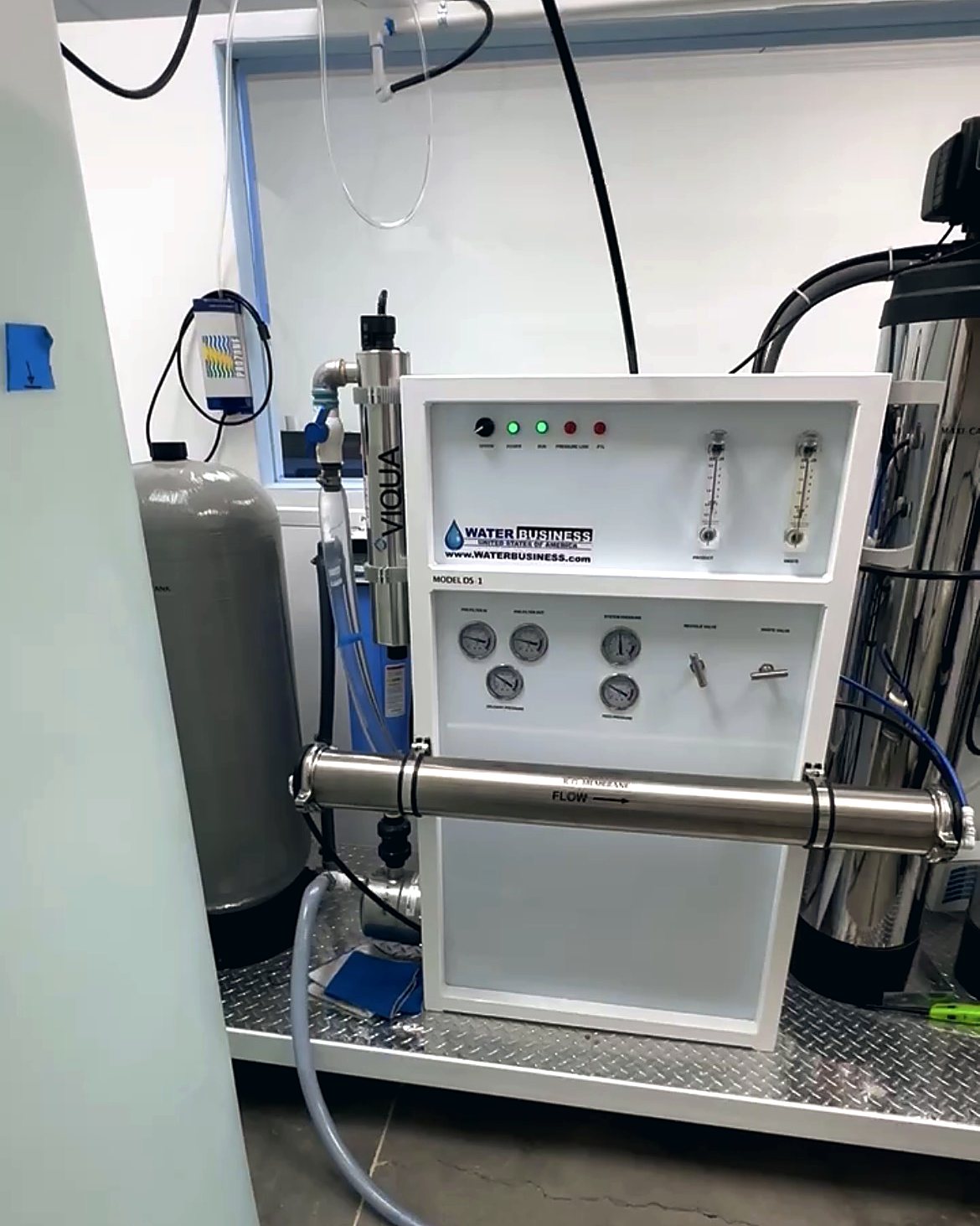
A water refill station is a place where you bring your own empty containers and fill them with water that has already been filtered or treated on site. Instead of buying water in single-use plastic bottles that were filled somewhere else and shipped to a shelf, you're filling a reusable container directly from the source, usually in just a few minutes.
The water itself depends on the station. Some offer purified or reverse osmosis water, some offer alkaline water with added minerals and a higher pH, and some offer both. Because the water is treated and dispensed in one place, a good station can tell you exactly how it filters its water and how often its equipment is serviced, which is a level of transparency you rarely get from a bottle on a shelf.
How a Refill Station Works, Step by Step
The process is straightforward, and most stations follow the same basic pattern. You arrive with clean, empty containers, and the staff or the self-serve instructions guide you through the rest.
First, your container is checked and, in many places, sanitized or rinsed before filling, since a clean container is the foundation of good-tasting water. Next, you choose the type of water you want if the station offers more than one. The container is then filled from a dispenser connected to the filtration system, capped tightly, and you're on your way. The whole visit often takes only a few minutes, which is part of why refilling fits easily into a regular errand run.
What to Bring to a Water Refill
Your container makes more difference to the final taste than almost anything else, so it's worth choosing and preparing it carefully. The best choice for most households is a reusable container made of glass or food-grade material, with a tight-fitting cap and a size you can lift comfortably when it's full.
A 5 gallon glass water jug is a popular option for families because glass stays neutral and doesn't hold onto flavors, and the larger size means fewer trips. For personal bottles or smaller jugs, food-grade stainless steel and BPA-free containers work well too. Whatever you bring, make sure it's clean before you arrive, avoid containers that smell of anything, and replace plastic containers that have become scratched or cloudy. If you're unsure about which sizes a station accepts, call ahead or ask when you arrive, since each location has its own setup.

Keeping Refilled Water Fresh at Home
Once the water is in your container, a few simple habits keep it tasting its best. Store it somewhere cool and out of direct sunlight, keep the cap on tightly, and avoid placing it near strong-smelling items. Refrigerated water stays pleasantly crisp, while water left on a warm counter can start to taste flat faster.
It also helps to rinse and clean your containers regularly with mild soap and to let them dry fully between refills. Rather than topping off an old batch with new water, empty and refill so the water you drink is always fresh. Small habits like these are the difference between water that tastes great on day five and water that tastes stale by day two.
Refill Station vs. Bottled Water
Bottled water is convenient, but it comes with trade-offs that add up over time. You're paying for the packaging and shipping as well as the water, a household can go through a surprising number of plastic bottles in a month, and you have little visibility into exactly how that water was treated.
Refilling shifts that balance. You reuse the same containers again and again, you cut down on plastic, and you know where your water came from. For households that drink a lot of water, the cost per gallon at a refill station is often lower than buying bottled water by the case, though prices vary, so ask for current pricing when you visit. If you're also weighing how refilling compares with having water brought to your door, the delivery option below covers that.

Refill, Delivery or a Home System?
Refilling is just one way to get great-tasting water at home, and it's helpful to see where it fits. A refill station is ideal if you like the quick errand, want to inspect the water source yourself, and have the space to store a few containers. Delivery makes sense if you'd rather skip the trip, and our guide to alkaline water delivery around Santa Clarita explains how that works.
If you find yourself refilling constantly and want water on demand at the tap, a home system may be the better long-term choice. You can browse our residential water filtration systems, or read how to choose the right water filtration system for your home if you're comparing options. Many households use both, with a system at the sink for everyday use and refill or delivery for larger containers.
What to Look for in a Good Refill Station
Not every refill station is the same, so it helps to know what a good one looks like. Look for clear information about how the water is filtered and what kind of water you're getting, whether that's purified, alkaline or both. The station should look clean, with sanitized dispensing areas and equipment that appears well maintained.
Good stations are open about how often filters are changed and how the water is tested, and they're happy to answer questions. If a place can't tell you how its water is treated, that's a sign to look elsewhere. Friendly, knowledgeable staff make a big difference too, especially on your first visit, when you may have questions about containers and sizes.
Tips for Your First Visit
A little preparation makes the first trip easy. Bring clean containers with tight caps, and bring more than you think you need if you're stocking up. Check the station's hours before you head out, and think about how you'll transport full containers, since a gallon of water weighs over eight pounds and larger jugs get heavy quickly. A towel or small mat in the car keeps spills from becoming a mess.
If you're trying alkaline water for the first time, start with a smaller amount so you can decide whether you like the taste before you commit to larger containers. Ask the staff about pricing, accepted container sizes and anything else you want to know, since small details vary from one station to the next.
Water Refill at Clean River in Santa Clarita
At the Clean River Water Store, we offer a refill station along with filtered and alkaline water, and our team is happy to walk first-timers through the process. You'll find us at 23365 Lyons Avenue, Santa Clarita, CA 91355, open Monday to Friday from 10am to 5:30pm and Saturday from 10am to 4:30pm. You can learn more on our water store page, or reach us through the contact page if you'd like to check on sizes, pricing or availability before you come in.
Final Thoughts
Finding a water refill near you in Santa Clarita is mostly a matter of knowing what to bring and what to look for. Bring clean containers, choose a station that's open about how it treats its water, store your refills somewhere cool and covered, and you'll have fresh, great-tasting water without the stacks of plastic bottles.
If you're ready to try it, stop by with a clean container or two and we'll show you how it works.