Santa Clarita doesn't get winter weather the way much of the country does, but when a strong storm rolls through, it can still catch households off guard. Heavy rain, runoff from the hills, high winds and power outages can all disrupt daily routines, and in some cases a storm can affect the water supply itself, whether through a temporary service interruption or a precautionary advisory from your water provider.
The good news is that water is one of the easiest things to prepare for. A few containers filled ahead of time, a clear idea of how much your household needs, and a few simple habits for the day of the storm can make a disruption feel like a minor inconvenience. This guide walks through how much water to store, how to store it so it stays fresh, how your home water system behaves during a storm, and what to do once the weather passes.
Why Storm Season Calls for a Water Plan
Southern California's rainy season runs through the winter months, and strong storms can arrive with only a few days of warning. Rain can overwhelm drainage and carry debris into low-lying areas, wind can bring down power lines, and a power outage can last anywhere from a few hours to several days. In some situations, a water provider may also issue an advisory, such as a notice to boil water before drinking it, as a precaution after a disruption.
None of this is meant to alarm anyone. Most storms pass without any trouble at all. But a basic water plan costs very little, takes an afternoon to set up, and removes one thing to worry about when the weather turns. It also overlaps neatly with the preparation many households already do for other seasonal events, so the same stored water can serve you year-round.
How Much Water Should You Store?
The most widely used guidance from emergency preparedness agencies like FEMA and Ready.gov is to store at least one gallon of water per person per day. That figure covers drinking and basic food preparation, and many agencies suggest a minimum supply of three days, with a larger supply of up to two weeks recommended if you have the space.
For a family of four, a three-day minimum works out to about twelve gallons, and a two-week supply comes to about fifty-six gallons. Add extra for pets, and consider a little more if you plan to use stored water for rinsing dishes or basic cleaning. Remember that needs vary with the size of your household, and storing a bit more than the minimum is a sensible habit rather than a wasteful one.
Choosing the Right Containers
The container you choose matters as much as the water inside it. For stored water, the best options are clean, food-grade containers with tight-fitting caps. Glass is a particularly good choice because it stays neutral, holds no flavors from previous contents, and is easy to clean thoroughly. A 5 gallon glass water jug holds enough water for one person for several days, and because it has a cap and a sturdy build, it stores well in a pantry or garage.
Food-grade plastic containers designed for water storage also work, as do commercially bottled water cases kept sealed. Avoid containers that previously held anything other than food or drink, and avoid thin, flimsy containers that can crack or leak. Whatever you choose, wash it with mild soap, rinse it thoroughly, fill it, cap it tightly and label it with the fill date so you know when to refresh it.
Where and How to Store Your Water
Where you keep your water affects how well it holds up over time. A cool, dark place away from direct sunlight is ideal, because heat and light speed up changes in taste and can encourage growth inside clear containers. Keep stored water away from gasoline, paint, cleaning products and other strong-smelling chemicals, since some containers can absorb odors from nearby fumes.
Spread your supply across more than one spot, such as a pantry shelf and a closet, so that if one area is blocked or damaged, you still have access to the rest. Store the heavier jugs on low shelves for safety, and keep a few smaller bottles somewhere easy to reach in a hurry. We cover the finer points of keeping filtered water fresh in our guide on whether filtered water expires in storage, including container choice, temperature and how often to refresh it.

How Long Does Stored Water Last?
Water doesn't spoil on a fixed schedule, but its taste and the cleanliness of its container do change over time. Emergency preparedness guidance commonly suggests replacing stored water about every six months, and checking commercially bottled water against any date printed on the package. If a container's water smells or tastes off, or the container looks cloudy or slimy, pour it out and start fresh.
A simple routine makes this easy. Pick two dates a year, such as the start of fall and the end of winter, and use them as reminders to empty, clean and refill your containers. Use the old water on plants or for cleaning, and start the new cycle with fresh containers. It takes less than an hour and keeps your supply ready without much thought.
Your Home Water System During a Storm
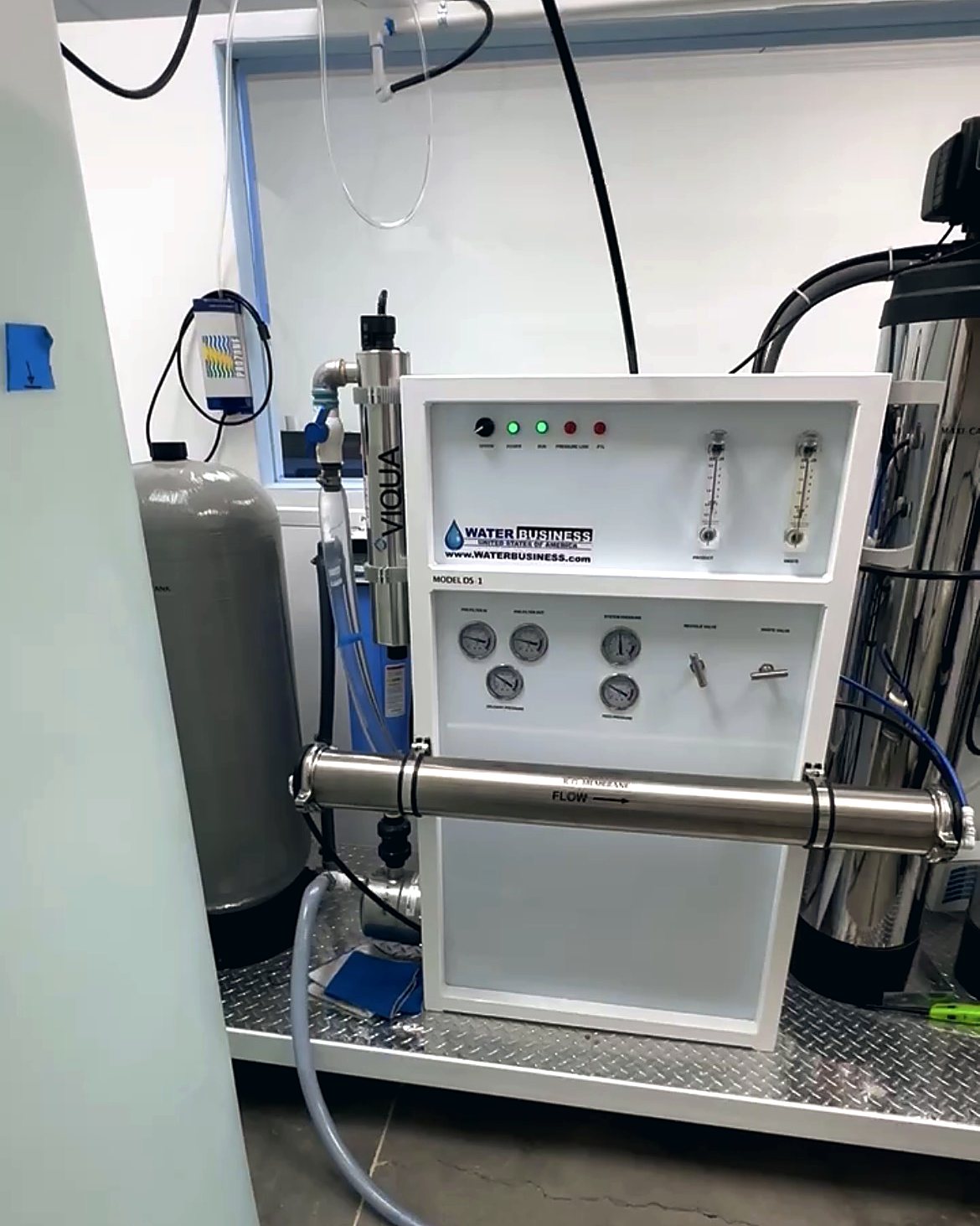
If you have a home water treatment system, it helps to know how it behaves when conditions change. Under-sink reverse osmosis systems typically run on your home's water pressure rather than electricity, so they often keep working during a power outage, as long as your water supply itself is running. Their storage tank also holds a small reserve of treated water, which is useful for a day or two of drinking and cooking, though it's no substitute for a stored supply.
Systems with electronic controls, such as many whole house softeners and filters, may pause their automatic cycles during an outage, then resume when power returns. That's usually nothing to worry about, but it's a good reason to check your settings once power is back. If you're unsure how your own equipment behaves, the manufacturer's manual or a call to the store where you bought it will give you a clear answer for your specific model.
Using Water Wisely During a Storm
When a storm is underway and conditions are uncertain, small choices help. Fill a few extra containers and the bathtub's worth of non-drinking water for flushing and cleaning if an interruption looks likely, and keep your stored drinking water separate and sealed. Hold off on running the dishwasher and washing machine if you're unsure about your water supply or power, and keep showers short until things settle.
Pay attention to messages from your local water provider, since they're the best source for advisories specific to your area. If a notice says to boil water, follow it exactly, and use boiled or stored water for drinking, cooking and brushing teeth until the advisory is lifted. Public health agencies like the CDC explain how to boil or disinfect water safely, and following their instructions is the right way to handle it.
After the Storm: Getting Back to Normal
Once the weather clears and your water is flowing, a few simple steps help you get back to routine. Run your cold taps for a minute or two to flush the lines, and check that your water looks and smells normal before using it for drinking. If your provider issued an advisory, wait for the all-clear before drinking from the tap.
If your water treatment system was in use during an advisory, check the manufacturer's guidance on flushing or replacing filters, since some recommend changing cartridges after certain events. If you're not sure, our team can advise on your specific system. This is also a good moment to refresh your stored water, check your containers, and note anything you'd do differently next time.
A Simple Pre-Storm Checklist
Before the next storm, run through a short list. Confirm you have at least a gallon per person per day for three days, ideally more, in clean, sealed, dated containers. Check that your supply is stored in a cool, dark place and spread across more than one spot. Know how your home water system behaves in an outage, keep a flashlight and a few basics handy, and make sure everyone in the household knows where the water is.
If you'd rather skip the filling and cleaning, you can also pick up filled containers ahead of time. Our alkaline water delivery guide explains delivery options in Santa Clarita, and you can browse our bottled alkaline water if you'd like sealed bottles on hand. If your storage plan includes a home system, our residential water filtration systems and reverse osmosis tank are good places to start.
Final Thoughts
Preparing for a winter storm doesn't take much. Store enough water for your household, keep it in clean, sealed, dated containers in a cool, dark place, and refresh it twice a year. Know how your home water system behaves in an outage, follow guidance from your water provider, and give your taps a quick flush afterward.
If you're in Santa Clarita and want help choosing containers, planning your supply or understanding your home water system, stop by the Clean River Water Store at 23365 Lyons Avenue, open Monday to Friday 10am to 5:30pm and Saturday 10am to 4:30pm. You can also reach us through our contact page, and our team will be happy to help.